
My Cureiosity
  • Food
  • Beauty Tips
  • Health News
  • Mental Health
  • Wellness Path
Subscribe
No Result
View All Result
  • Food
  • Beauty Tips
  • Health News
  • Mental Health
  • Wellness Path
Subscribe
No Result
View All Result
My Cureiosity
No Result
View All Result
Home Wellness Path

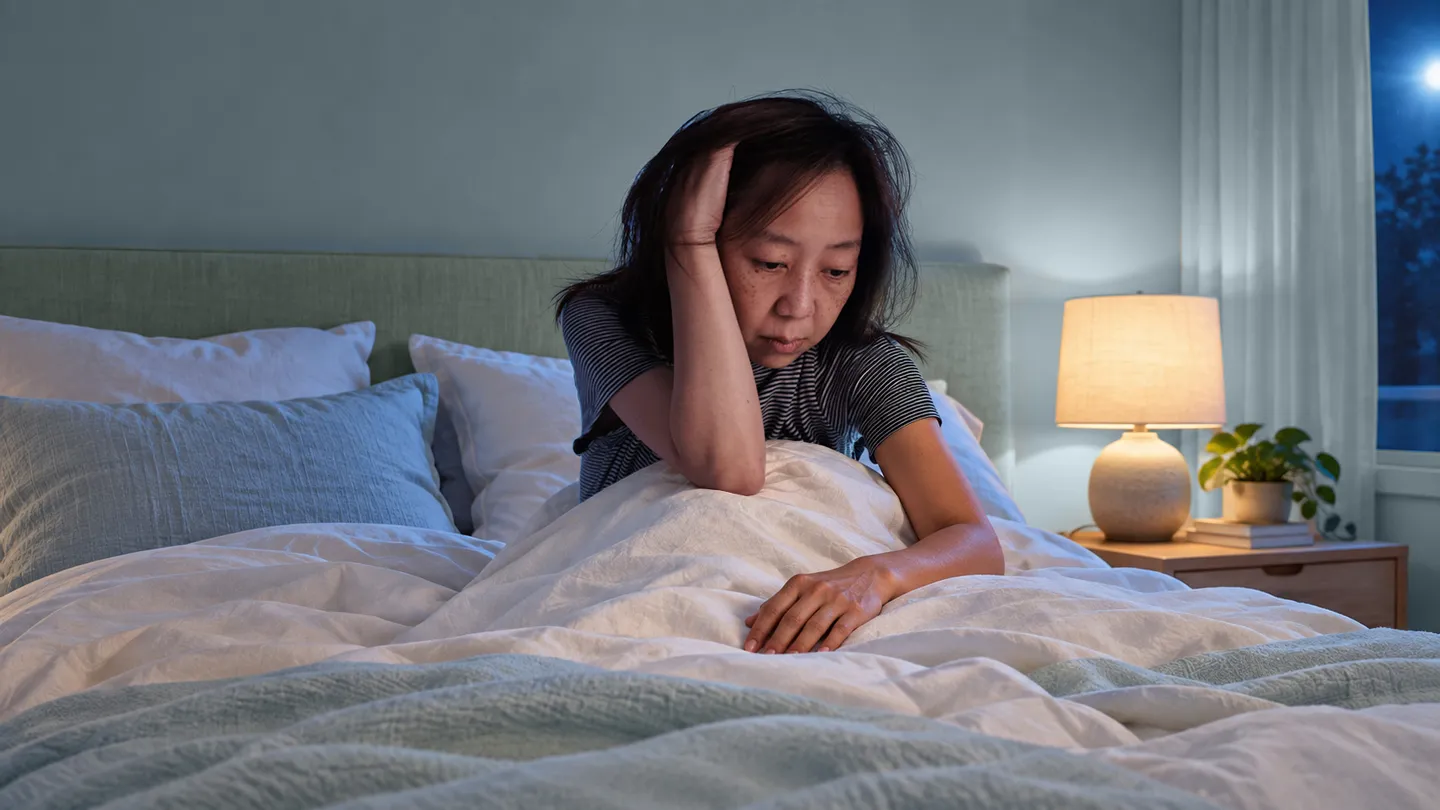
Insomnia Tied to Stroke Risk in Major New Research Review

2 weeks ago
in Wellness Path
Reading Time: 3 mins read
Insomnia Tied to Stroke Risk in Major New Research Review
Share on FacebookShare on Twitter

Why Insomnia May Raise Stroke Risk

While researchers don’t completely understand why insomnia may increase stroke risk, Vignatelli offers a few potential explanations.

It’s possible that persistent sleep trouble puts the body into a constant stress response, he says, overactivating the same systems involved in a fight-or-flight reaction. That raises blood pressure, heart rate, and tension in blood vessel walls.

Related articles

Late-Night Eating Linked to Higher Liver Disease Risk, Study Finds

Natural Ways to Support Fertility

As a result, the stress hormone cortisol stays elevated, which can raise blood pressure further, fuel inflammation throughout the body, and disrupt how the body processes sugar and fat. Over time, that combination can contribute to plaque building up inside artery walls.

That inflammation can also make existing plaque more likely to rupture and form blood clots. It can damage the lining of blood vessels too, throwing off the balance between vessels relaxing and tightening the way they’re supposed to.

Insomnia can also throw off the hormones that regulate appetite, contributing to weight gain, and can impair the body’s ability to manage blood sugar and fat. Over time, those changes can lead to obesity and damage to small blood vessels, both of which make the brain more vulnerable to stroke.

Sleep Plays a Direct Role in Protecting the Brain

Sleep itself plays a direct role in protecting the brain, says Karin Johnson, MD, professor of neurology at UMass Chan Medical School and division chief of Baystate Sleep Medicine in the department of neurology in Springfield, Massachusetts, who was not involved in the study.

“Healthy sleep helps clear waste from the brain through what’s known as the glymphatic system, a process considered especially important for preventing Alzheimer’s and other neurodegenerative diseases,” says Dr. Johnson.

Blood pressure normally drops during healthy sleep, she says, but in sleep disorders like obstructive sleep apnea, it can rise instead, adding wear on blood vessels over time.

Strengths and Limitations of the Study

The review’s biggest strength is its scope: It draws on decades of research across seven distinct health outcomes, including two new analyses on stroke and hospitalization that hadn’t been done before.

But the researchers note that studies varied widely in how they defined insomnia, and few accounted for whether participants were using sleep medications, which could affect the results.

Because of the studies and type of data included, the review shows correlation (meaning a possible link for which there could be multiple explanations), not cause-and-effect, says Johnson. Researchers still need studies confirming whether treating insomnia actually lowers stroke risk, and whether treatments like medication or cognitive behavioral therapy work equally well, she says.

How to Protect Your Sleep and Your Brain

Sleep has become significant enough to brain and heart health that the American Heart Association (AHA) added it as one of its “Life’s Essential 8” measures of cardiovascular health, Johnson notes.

[3]

Here are the AHA’s tips for getting the recommended seven to nine hours of sleep a night:

Watch your light exposure. Dim the lights in the evening to help your brain start winding down and consider a red-light filter or dimmed screens at night, since blue light can suppress the melatonin your body needs to fall asleep.

Keep a consistent schedule. Going to bed and waking up at the same time every day helps regulate your internal clock, and a bedtime alarm can help you remember when it’s time to start wrapping up for the night.

Build in a wind-down window. Spend 20 to 30 minutes before bed on a calming, screen-free activity, like reading, meditating, or taking a warm bath.

Silence your phone. Put it on do-not-disturb overnight so notifications don’t wake you or keep you from settling down.


ShareTweetPin

Related Posts

Late-Night Eating Linked to Higher Liver Disease Risk, Study Finds

Late-Night Eating Linked to Higher Liver Disease Risk, Study Finds

by admin
October 12, 2026
0

Why Eating Late Might Affect Your LiverMASLD, previously known as nonalcoholic fatty liver disease, occurs when excess fat builds up in the liver in people with...

Natural Ways to Support Fertility

Natural Ways to Support Fertility

by admin
October 11, 2026
0

Whether you’re actively trying to get pregnant or considering pregnancy in the future, fertility might be regularly on your mind. Successful conception depends on a lot...

The Pre-Workout Smoothie That Does the Prep Work for You

The Pre-Workout Smoothie That Does the Prep Work for You

by admin
October 8, 2026
0

Pre-workout nutrition tends to get overcomplicated. The goal is simple: give your body something easy to digest, with enough carbohydrate for energy and enough protein to...

Why You Need Good Sleep and How to Get It

Why You Need Good Sleep and How to Get It

by admin
October 7, 2026
0

As noted, research has shown a link between bipolar disorder and sleep, such as the fact that bipolar disorder can have a significant impact on how...

Matcha Chia Pudding That Works With Your Body's GLP-1

Matcha Chia Pudding That Works With Your Body’s GLP-1

by admin
October 6, 2026
0

GLP-1 has become one of the most talked-about hormones in wellness, and for good reason. It helps regulate appetite, blood sugar, and how satisfied you feel...

Next Post
The Corporate Playbook behind Undermining Dietary Guidelines

The Corporate Playbook behind Undermining Dietary Guidelines

Glucose Data Wants to Be Ambient – The Health Care Blog

Glucose Data Wants to Be Ambient – The Health Care Blog

How to Apply Mascara for Longer, Fuller, Mess-Free Lashes—With Photos and Videos

How to Apply Mascara for Longer, Fuller, Mess-Free Lashes—With Photos and Videos

    Get daily news updates to your inbox!

    CATEGORIES

    • Beauty Tips
    • Food
    • Health News
    • Mental Health
    • Wellness Path

    RECOMMENDED

    Why You Need Good Sleep and How to Get It
    Wellness Path

    Why You Need Good Sleep and How to Get It

    October 7, 2026
    AI will inflate healthcare costs before lowering them, Oz says
    Health News

    AI will inflate healthcare costs before lowering them, Oz says

    September 28, 2026
    My Cureiosity

    Your trusted source for simple, reliable tips to live healthier, feel better, and thrive every day.

    Copyright © 2026 mycureiosity.com | All Rights Reserved

    • Contact us
    • Privacy Policy
    • Terms & Conditions
    • Email Whitelisting
    • Food
    • Beauty Tips
    • Health News
    • Mental Health
    • Wellness Path

    Copyright © 2026 mycureiosity.com | All Rights Reserved