My Cureiosity
  • Food
  • Beauty Tips
  • Health News
  • Mental Health
  • Wellness Path
Subscribe
No Result
View All Result
  • Food
  • Beauty Tips
  • Health News
  • Mental Health
  • Wellness Path
Subscribe
No Result
View All Result
My Cureiosity
No Result
View All Result
Home Wellness Path

Is Your Cold Actually COVID? What to Know as the Summer Surge Begins

2 weeks ago
in Wellness Path
Reading Time: 3 mins read
Is Your Cold Actually COVID? What to Know as the Summer Surge Begins
Share on FacebookShare on Twitter

Symptoms of COVID-19 and the Common Cold Can Be Hard to Tell Apart

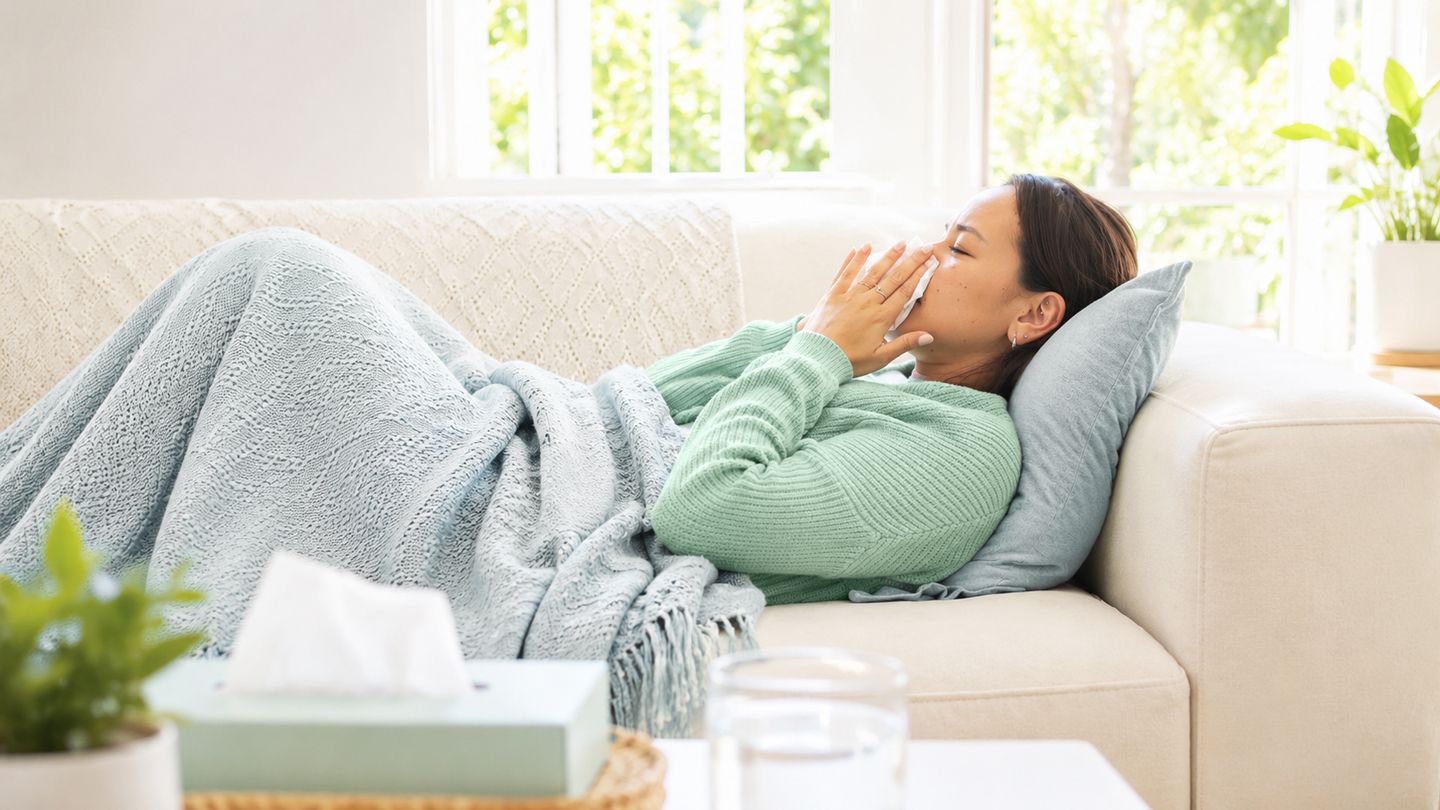
Recognizing whether you have COVID-19 or a summer cold can be almost impossible.

“There aren’t a whole lot of distinguishing features between COVID and the common cold — or the flu, for that matter, which thankfully is not going around yet,” says Geeta Sood, MD, an an infectious diseases physician and epidemiologist at Johns Hopkins University School of Medicine in Baltimore.

Related articles

Is Xylitol Bad for Your Heart? Doctors Explain New Findings

End of Summer August Horoscopes

The signs of these respiratory infections overlap, and can include:

[8]

  • Runny nose
  • Sore throat
  • Cough
  • Congestion
  • Fatigue
  • Fever
Some strains of COVID-19 may trigger more distinct, severe symptoms. Although latest tracking shows XFG (aka stratus) to be the predominant variant in the United States now, NB.1.8.1 (nimbus) remains in circulation, and that variant has been associated with intense throat soreness, or “razor blade throat.”

[9]

In the past, some strains have also been linked to a loss of taste or smell, which is rarely a sign of the common cold. But Dr. Sood notes that this symptom is not seen as often as it once was.

Should You Get a COVID Test?

While cold-like symptoms may be a sign you actually have COVID-19, the only conclusive way to diagnose the virus is through testing.

Most people recuperate from COVID-19 and the common cold the same way — with rest, hydration, and other supportive care — so may not see the point in testing. But that thinking comes with risks.

[10]

Long says it’s particularly important to know whether or not you have COVID-19 if you are in a group that is vulnerable to complications from infections, like seniors.

But even if you’re basically healthy, by knowing your COVID status through testing, you may be more compelled to avoid contact with those likely to become critically ill.

For people at higher risk of severe COVID, Long notes that treatments for COVID-19 like Paxlovid, Veklury, and Lageviro can make a difference.

“Those antivirals can lessen the chances of more serious illness downstream,” he says.

[10]

The key with these medications, though, is to start them early, within five to seven days of when symptoms first appear.

Sood adds that the treatments may also help protect against long COVID, which may lead to various types of health problems months or even years after a person first gets the infection.

[11]

From a public health standpoint, reporting test results can also help determine if infection rates are climbing and identify where the virus may be spreading.

Preventive Measures, Especially for the Most Vulnerable

The CDC recommends taking preventive steps to help reduce your risk of getting COVID-19 and other respiratory illnesses, especially for those most susceptible to dire health consequences and those in contact with these people:

[12]

  • Practice good hygiene, including thorough and regular hand-washing.
  • Stay home when sick.
  • Put distance between yourself and others.
  • Avoid crowded, confined areas.
  • Consider wearing a mask in settings where you may be close to others.
  • Keep up with the latest COVID vaccinations to lower your risk of severe illness.

Should You Get Vaccinated Now?

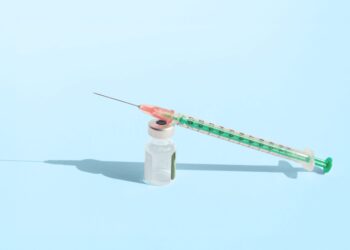
An updated formula for the COVID vaccine is expected to roll out in the fall, according to the U.S. Food and Drug Administration. The updated shot will target the XFG strain.

[13]

“For most healthy people, given that the new COVID-19 vaccine is imminent, it seems reasonable to await the newest formulation,” says Gohil.

For some people, however, vaccination protection may be waning at this point, and those with weaker defenses in particular may want to consult with a physician and receive a booster shot now, advises Sood.

“For people who are particularly at high risk, it may be worth getting vaccinated now because it takes a week to two weeks for the vaccine to truly create a positive response to help prevent severe disease,” she says. “These vaccines are safe and effective, and you can still get the new formula when it becomes available later on.”

ShareTweetPin

Related Posts

Is Xylitol Bad for Your Heart? Doctors Explain New Findings

Is Xylitol Bad for Your Heart? Doctors Explain New Findings

by admin
August 27, 2026
0

What Is Xylitol, Exactly?Xylitol is a low-calorie sweetener used in many sugar-free or low-calorie foods. “Sugar alcohols like xylitol are sweet-tasting and low in calories,” says...

End of Summer August Horoscopes

End of Summer August Horoscopes

by admin
August 26, 2026
0

As we kick off August, we’re well into Leo season. The good news is that you don’t need to be a Lion to tap into its...

10 Micro Habits for Healthier Skin, According to Dermatologists

10 Micro Habits for Healthier Skin, According to Dermatologists

by admin
August 25, 2026
0

Healthy skin doesn’t require a complicated routine. Some of the habits that make the biggest difference — like daily sunscreen , gentle cleansing, and moisturizing —...

What Happens When You Boost Your Fiber Intake?

What Happens When You Boost Your Fiber Intake?

by admin
August 24, 2026
0

Fiber might not have the flashy appeal of protein. But when it comes to your health, fiber is definitely an overachiever. It promotes healthy digestion and...

7 Foods With Hidden Sugar

7 Foods With Hidden Sugar

by admin
August 23, 2026
0

You might be surprised to see yogurt on this list. After all, yogurt is packed with protein, and its sugars are naturally occurring, thanks to the...

Next Post
Do Cranberries and Pumpkin Seeds Help an Enlarged Prostate?

Do Cranberries and Pumpkin Seeds Help an Enlarged Prostate?

Premiums, out-of-pocket costs dominate Americans’ healthcare concerns: survey

Premiums, out-of-pocket costs dominate Americans’ healthcare concerns: survey

matte lipstick

DIY Moisturizing Matte Lipstick

    Get daily news updates to your inbox!

    CATEGORIES

    • Beauty Tips
    • Food
    • Health News
    • Mental Health
    • Wellness Path

    RECOMMENDED

    Could A Drug Used For Constipation Help Depression Sufferers?
    Mental Health

    Could A Drug Used For Constipation Help Depression Sufferers?

    August 10, 2026
    Personalized Cancer Vaccine Shows Strong Results in Late-Stage Trial
    Wellness Path

    Personalized Cancer Vaccine Shows Strong Results in Late-Stage Trial

    August 21, 2026
    My Cureiosity

    Your trusted source for simple, reliable tips to live healthier, feel better, and thrive every day.

    Copyright © 2026 mycureiosity.com | All Rights Reserved

    • Contact us
    • Privacy Policy
    • Terms & Conditions
    • Email Whitelisting
    • Food
    • Beauty Tips
    • Health News
    • Mental Health
    • Wellness Path

    Copyright © 2026 mycureiosity.com | All Rights Reserved